
Silica information and safety
Q. What is silica?
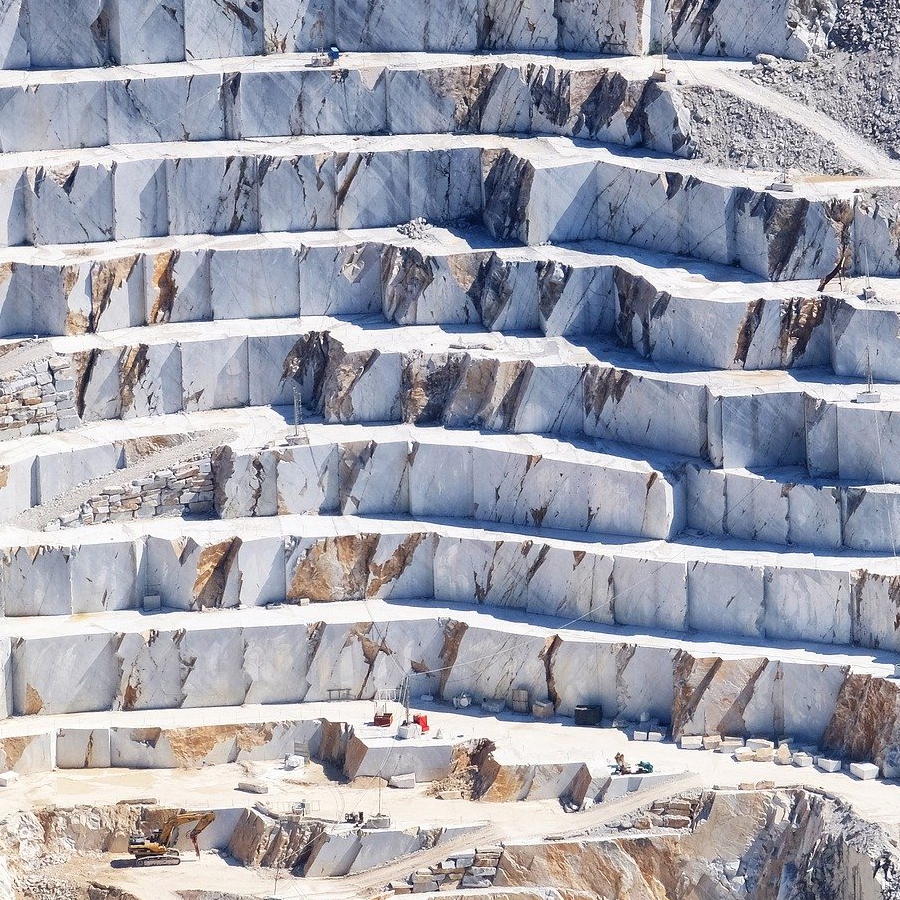
Silica (silicon dioxide) is a naturally occurring mineral found in many stones and building products, including porcelain, ceramic, granite, marble, quartzite, and engineered stone.
Q. Why is silica a concern?
When products containing silica are cut, drilled, or polished, they can release very fine dust particles called respirable crystalline silica (RCS). These particles are harmful if inhaled and can cause serious health issues over time.
Q. Which products contain silica?
- Low silica content (2–5%): Marble, dolomite
- Moderate silica content: Granite, some porcelain
- High silica content (70–100%): Sandstone, quartzite
- Very high silica content (up to 90%+): Engineered stone/stone composites
Q. Is silica exposure a risk for homeowners?
For everyday use such as having stone benchtops, porcelain tiles, or natural stone floors in your home there is no health risk. The concern arises during cutting, grinding, or polishing of stone, which should always be done with correct dust control systems in place.
Q. What precautions should installers take?
Professional installers follow strict industry standards, including:
- Health monitoring and training as required by workplace safety laws
- Wet cutting (using water to suppress dust)
- Dust extraction systems
- Approved respirators and protective equipment
Q. What does the law say?
In Australia, workplace safety laws set a very low exposure limit for respirable crystalline silica (0.05 mg/m³). This means all handling, cutting, and installation must follow strict safety controls to protect workers.
Q. Do all tiles and stones need sealing because of silica?
No. Sealing is related to stain protection and surface maintenance, not silica. Silica risk only arises during fabrication (cutting, drilling, grinding).
DISCLAIMER All material on this website is published in good faith, however Skheme Pty Ltd does not warrant or represent the origin, validity, accuracy, completeness, timeliness, authenticity or reliability of, nor accept any responsibility for errors or omissions, in any material on this website or in any accompanying or other material, including advertisements, whether oral, visual, written, printed or electronic. Skheme Pty Ltd is not liable for any losses, claims, damages, demands, costs and expenses of whatsoever nature arising in any way, including those caused by negligence, out of or in connection with the use of this website, or any accompanying or subsequent information, or by reason of any reliance upon its contents by any person, company or organisation. All access to, and use of, the information is at the user’s risk. All technical details, recommendations and other information contained on this website represent the best of our knowledge and experience at the time of publishment. It is your responsibility to ensure that our products are used and handled correctly and in accordance with any applicable Australian Standard, our instructions and recommendations and only for the uses they are intended. Country specific recommendations, depending on local standards, codes of practice, building regulations or industry guidelines, may affect specific installation recommendations. The supply of our products & services is also subject to certain terms, warranties and exclusions, which may have already been disclosed to you in prior dealings or are otherwise available to you on request. Skheme reserves the right to alter, amend, vary or otherwise change any information on this website at any time and without prior notice to you to reflect our ongoing research and development program. The provision of any URL or link is done for the convenience of users of this website. It does not constitute an endorsement by the Skheme of that URL or link or the information at that Internet site. Potential customers should speak to a Skheme consultant regarding the qualities, colours and textures of all Skheme products before purchase.