
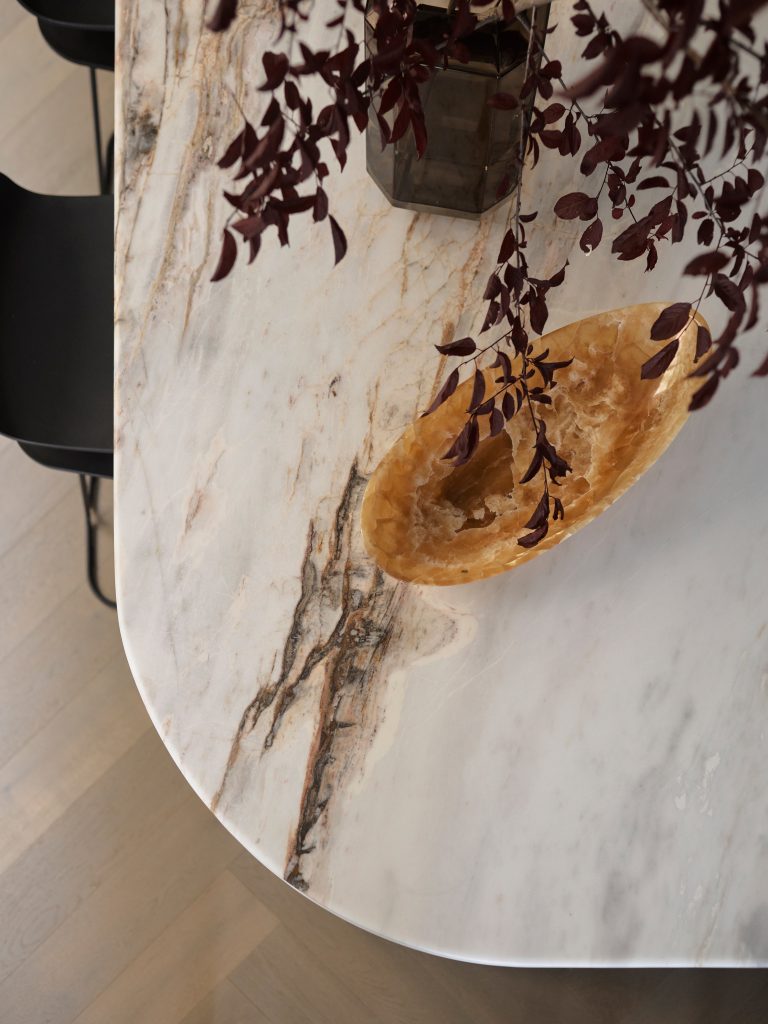
Maintaining your natural stone
With the proper care, it is simple to keep your natural stone looking like new, year after year. Natural stone is one of the easiest to maintain and most permanent of all surfacing materials.
care and precautions
Use coasters under all glasses, particularly those containing alcohol or citrus juices. Many common foods and drinks contain acids that will etch or dull the surface of many stones.
Do not place hot items directly on the stone surface. Use trivets or mats under hot dishes and placemats under china, ceramics, silver or other objects that can scratch the surface.
occasional care
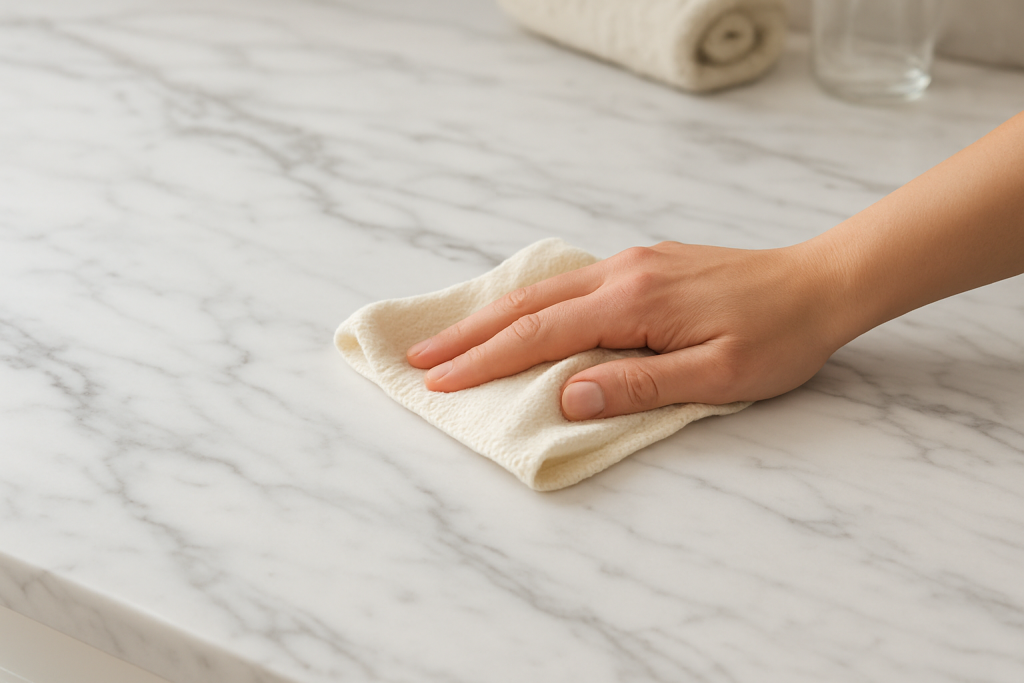
Periodic wiping with clean water, methylated spirits or appropriate cleaning products is generally sufficient to keep your natural stone installation looking like new. Do not use detergents, acids or caustic cleaners.
sealants
Sealants can be applied periodically depending on the wear and tear of the material and the porosity of the stone, such as marble, granite or limestone. Always remember to follow the instruction on the bottle and apply the sealer with your windows open and/or with sufficient ventilation.
Due to the characteristics of natural stone, care should be taken with some products such as juices containing acidic products, strong detergents, corrosive liquids or scouring powders which can react on the surface, leaving residues that may dull the polished/honed surface of the natural stones.
Area Care
Bath and Other Wet Areas
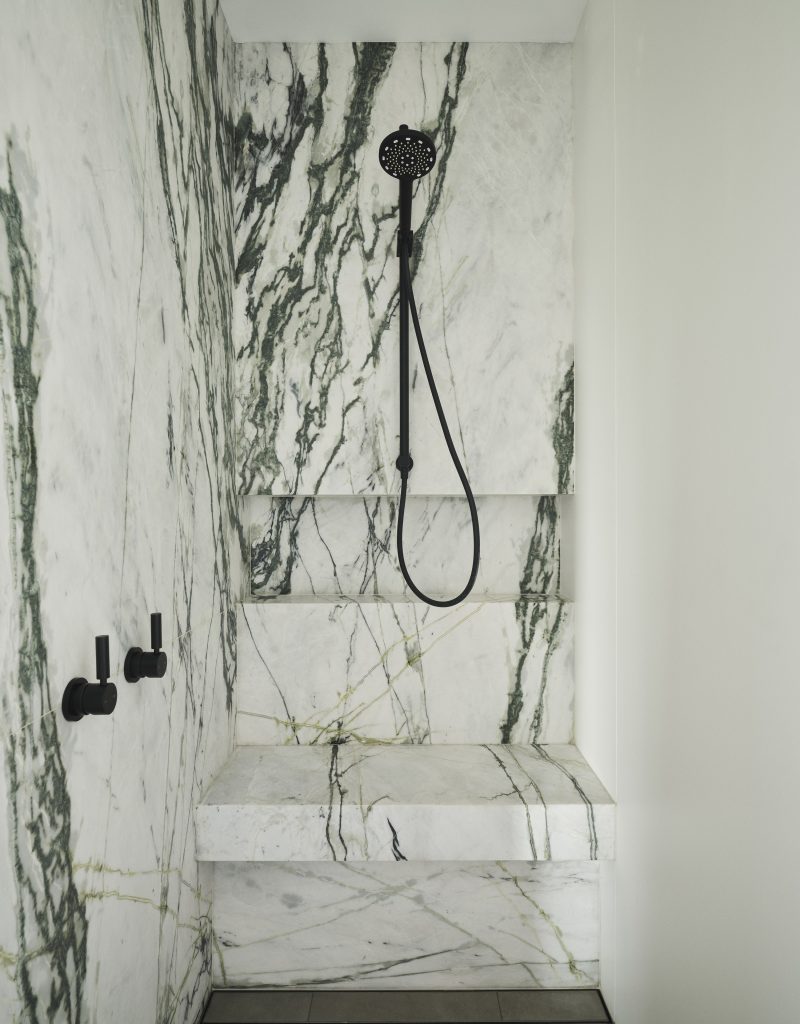
In the bath or other wet areas, soap scum can be minimized by using a squeegee after each use. To remove soap scum, use a non-acidic soap scum remover or a solution of ammonia and water (about 1/2 cup ammonia to a gallon of water). Frequent or over-use of an ammonia solution may eventually dull the surface of the stone.
Vanity Top Surfaces
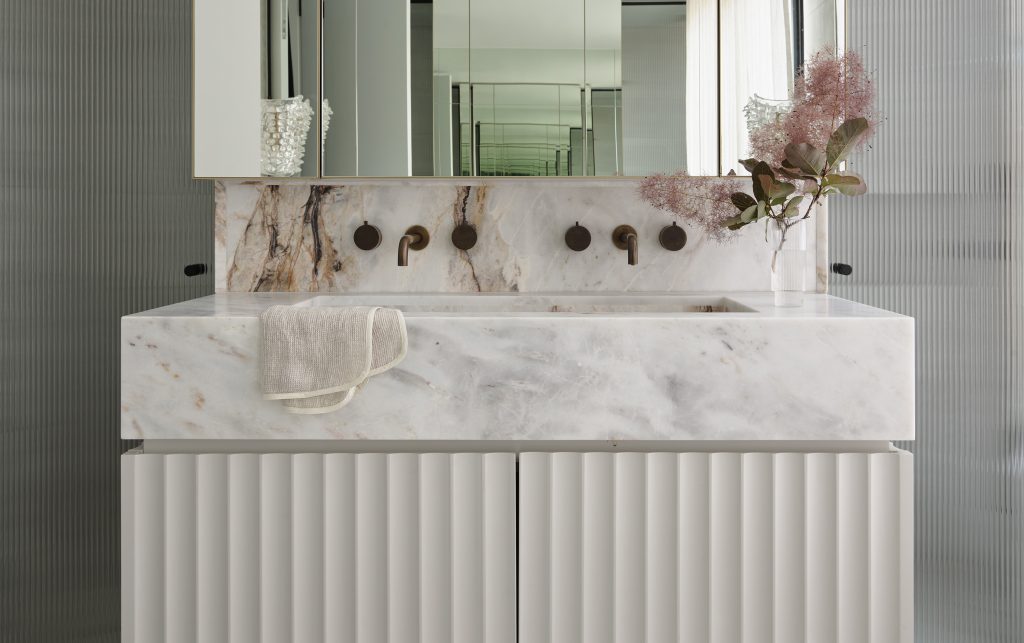
Vanity tops may need to have a penetrating sealer applied. Check with your installer for recommendations. A good quality marble wax or non-yellowing automobile paste wax can be applied to minimize water spotting.
Food Preparation Areas
In food preparation areas, the stone may need to have a penetrating sealer applied. Check with your installer for recommendations. If a sealer is applied, be sure that it is non-toxic and safe for use on food preparation surfaces and remember to apply with your windows open and/or with sufficient ventilation. If there are questions, check with the sealer manufacturer.
Outdoor Pool and Patio Areas
In outdoor pool, patio or hot tub areas, flush with clear water and use a mild bleach solution to remove algae or moss.
Types of Stains and First Step Cleaning Actions
Oil-Based
(Grease, tar, cooking oil, milk, cosmetics) An oil-based stain will darken the stone and normally must be chemically dissolved so the source of the stain can be flushed or rinsed away. Clean gently with a soft, liquid cleanser with bleach OR household detergent OR ammonia OR mineral spirits OR acetone.
Organic
(Coffee, tea, fruit, tobacco, paper, food, urine, leaves, bark, bird droppings) May cause a pinkish-brown stain and may disappear after the source of the stain has been removed. Outdoors, with the sources removed, normal sun and rain action will generally bleach out the stains. Indoors, clean with12% hydrogen peroxide (hair bleaching strength) and a few drops of ammonia.
Metal
(Iron, rust, copper, bronze) Iron or rust stains are orange to brown in colour and follow the shape of the staining object such as nails, bolts, screws, cans, flower pots, metal furniture. Copper and bronze stains appear as green or muddy-brown and result from the action of moisture on nearby or embedded bronze, copper or brass items. Metal stains must be removed with a poultice (See section on Making & Using a Poultice). Deep-seated, rusty stains are extremely difficult to remove and the stone may be permanently stained.
Biological
(Algae, mildew, lichens, moss, fungi) Clean with diluted (1/2 cup in a four litres of water) ammonia OR bleach OR hydrogen peroxide.
DO NOT MIX BLEACH AND AMMONIA. THIS COMBINATION CREATES A TOXIC AND LETHAL GAS.
Ink
(Magic marker, pen, ink) Clean with a solvent paint remover or an alcohol.
Paint
Small amounts can be removed with lacquer thinner or scraped off carefully with a razor blade. Heavy paint coverage should be removed only with a commercial “heavy liquid” paint remover available from hardware stores and paint centres or alcohol. These removers normally contain caustic soda or lye. Do not use acids or flame tools to strip paint from stone. Over use of paint removers can etch the surface of the stone; re-polishing may be necessary. Follow the manufacturer’s directions for use of these products, taking care to flush the area thoroughly with clean water. Protect yourself with rubber gloves and eye protection, and work in a well-ventilated area. Use only wood or plastic scrapers for removing the sludge and curdled paint. Normally, latex and acrylic paints will not cause staining. Oil-based paints, linseed oil, putty, caulks and sealants may cause oily stains. Refer to the section on oil-based stains.
Water spots and rings
(Surface accumulation of hard water) Buff with dry 0000 steel wool and always remember to rinse the stone thoroughly and remove all the excess residual of steel wool dust as it may that may cause stain marks.
Fire and smoke damage
Older stones and smoke or fire stained fireplaces may require a thorough cleaning to restore their original appearance. Commercially available “smoke removers” may save time and effort.
Etch marks
Etch marks are caused by acids left on the surface of the stone. Some materials will etch the finish but not leave a stain. Others will both etch and stain. Once the stain has been removed, wet the surface with clear water and sprinkle on marble polishing powder, available from a hardware or lapidary store, or your local stone dealer. Rub the powder onto the stone with a damp cloth or by using a buffing pad with a low-speed power drill. Continue buffing until the etch mark disappears and the marble surface shines. Etch marks may also be buffed with a dry 0000 steel wool. Contact your stone dealer or call a professional stone restorer for refinishing or re-polishing etched areas that you cannot remove.
Efflorescence
Efflorescence is a white powder that may appear on the surface of the stone. It is caused by water carrying mineral salts from below the surface of the stone rising through the stone and evaporating. When the water evaporates, it leaves the powdery substance. If the installation is new, dust mop or vacuum the powder. You may have to do this several times as the stone dries out. Do not use water to remove the powder; it will only temporarily disappear. If the problem persists, contact your installer to help identify and remove the cause of the moisture.
Scratches and nicks
Slight surface scratches may be buffed with a dry 0000 steel wool. Deeper scratches and nicks in the surface of the stone should be repaired and re-polished by a professional. Always remember to rinse the stone thoroughly and remove all the excess residual of steel wool dust as it may that may cause stain marks.
Do’s and Dont’s
- DO follow the manufactures instructions when using any cleaning products and/or appliances
- DO dust mop floors frequently
- DO use a steam mop for routine cleaning
- DO try to clean a small inconspicuous area first
- DO thoroughly rinse well with clean water and dry the surface after washing
- DO avoid high concentration of cleaning agents for prolonged periods of time
- DO protect your floor if renovating or if there is any construction surrounding the tile area
- DO blot up spills immediately
- DON’T use cleaners that contain acid such as bathroom cleaners, grout cleaners or tub and tile cleaners
- DON’T use cleaning agents which incorporate wax or polish, as it may result in a buildup of residue over time
- DON’T use bleach as it may affect some silicones
- DON’T mix bleach and ammonia; this combination creates a toxic and lethal gas
- DON’T mix chemicals together unless directions specifically instruct you to do so
- MORE IS NOT BETTER when it comes to cleaning agents and chemicals
DISCLAIMER All material on this website is published in good faith, however Skheme Pty Ltd does not warrant or represent the origin, validity, accuracy, completeness, timeliness, authenticity or reliability of, nor accept any responsibility for errors or omissions, in any material on this website or in any accompanying or other material, including advertisements, whether oral, visual, written, printed or electronic. Skheme Pty Ltd is not liable for any losses, claims, damages, demands, costs and expenses of whatsoever nature arising in any way, including those caused by negligence, out of or in connection with the use of this website, or any accompanying or subsequent information, or by reason of any reliance upon its contents by any person, company or organisation. All access to, and use of, the information is at the user’s risk. All technical details, recommendations and other information contained on this website represent the best of our knowledge and experience at the time of publishment. It is your responsibility to ensure that our products are used and handled correctly and in accordance with any applicable Australian Standard, our instructions and recommendations and only for the uses they are intended. Country specific recommendations, depending on local standards, codes of practice, building regulations or industry guidelines, may affect specific installation recommendations. The supply of our products & services is also subject to certain terms, warranties and exclusions, which may have already been disclosed to you in prior dealings or are otherwise available to you on request. Skheme reserves the right to alter, amend, vary or otherwise change any information on this website at any time and without prior notice to you to reflect our ongoing research and development program. The provision of any URL or link is done for the convenience of users of this website. It does not constitute an endorsement by the Skheme of that URL or link or the information at that Internet site. Potential customers should speak to a Skheme consultant regarding the qualities, colours and textures of all Skheme products before purchase.