
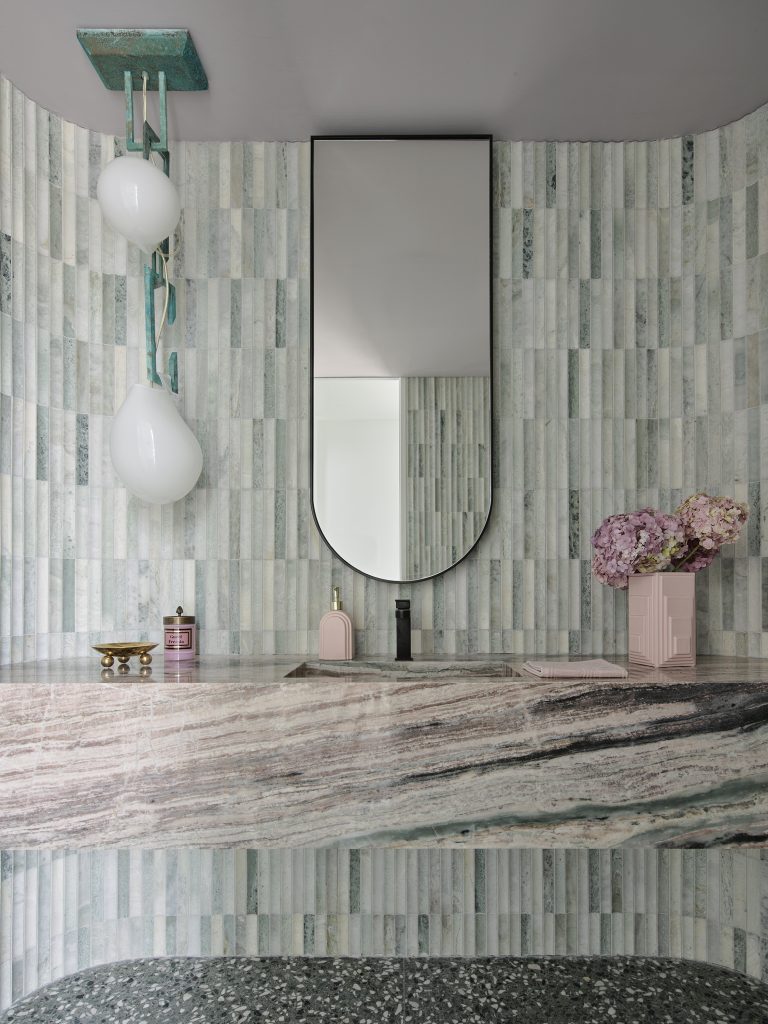
Learn more about natural stone
Natural stone has been used in construction and design for thousands of years. From ancient monuments to modern buildings, its durability and natural beauty are proven. Each stone type has its own characteristics, colours, and finishes, which influence where and how it can be used.
Categories of Natural Stone
Natural stone is grouped based on how it is formed:
- Igneous Rock – Granite, Basalt
- Sedimentary Rock – Limestone, Travertine, Sandstone, Onyx
- Metamorphic Rock – Marble, Slate, Schist, Quartzite, Gneiss
- Agglomerates – Engineered products made by binding stone chips and resins
Grades of Stone
- Premium Grade – Consistent colour, high-quality finish, uniform thickness and size.
- Standard Grade – More natural variation, occasional pores or fissures, still accurately cut.
- Commercial Grade – Significant variation, irregularities in size and finish, more natural imperfections.
Colour Variation
Natural stone is a product of nature. Variations in colour, veining, and pattern are normal and should be expected. Always lay out tiles or slabs before installation to assess the range and achieve the best visual result. Samples and images provide a guide only.
Finishes
The finish affects the appearance, slip resistance, and suitability for use:
- Honed – Smooth, satin surface with low reflection.
- Polished – Glossy surface, enhances colour depth, used mostly indoors.
- Sandblasted/Flamed – Textured, non-slip, ideal for outdoor applications.
- Tumbled – Aged, weathered look.
- Leathered/Brushed – Soft texture, reduces surface glare.
Types of natural stone
Agglomerate
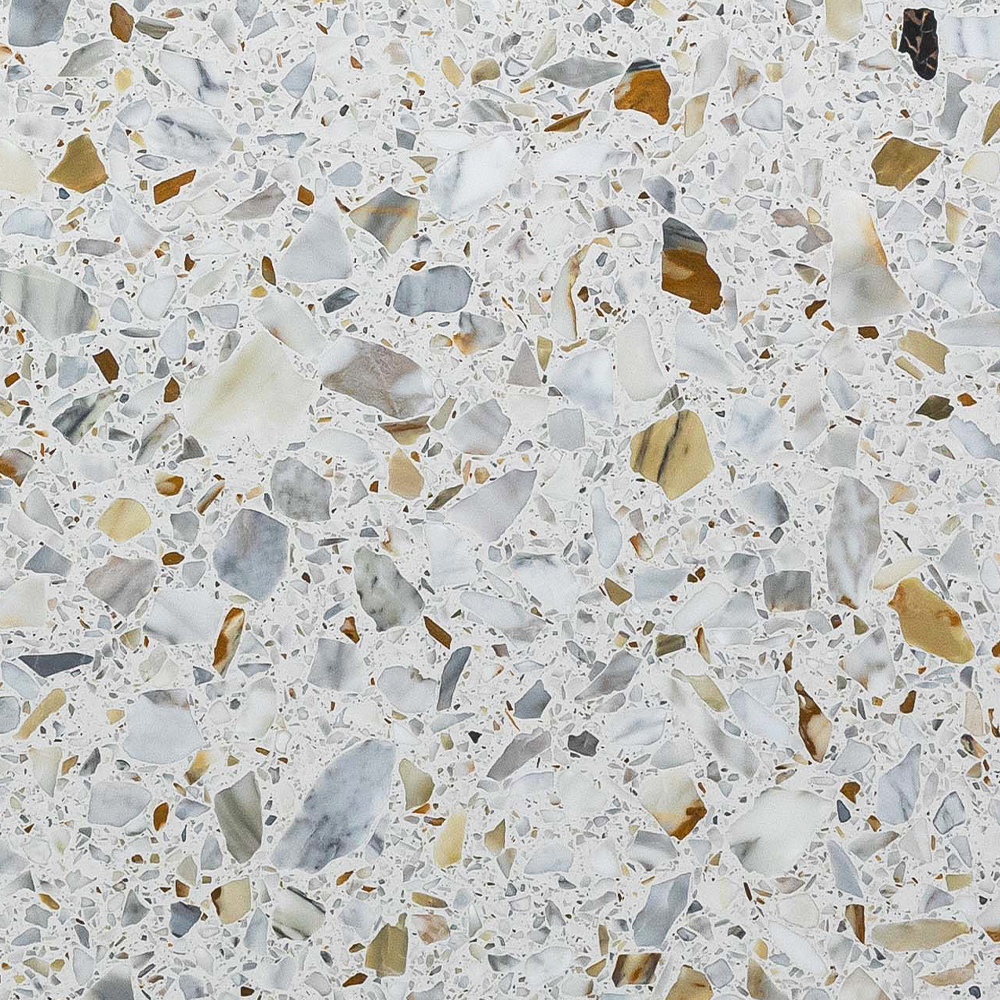
- An engineered stone made by binding natural stone chips with resin or cement.
- Offers consistency in colour and pattern compared to natural slabs.
- Commonly used for flooring, benchtops, and commercial interiors.
- Easier to maintain than some porous stones, but still requires sealing.
Dolomite
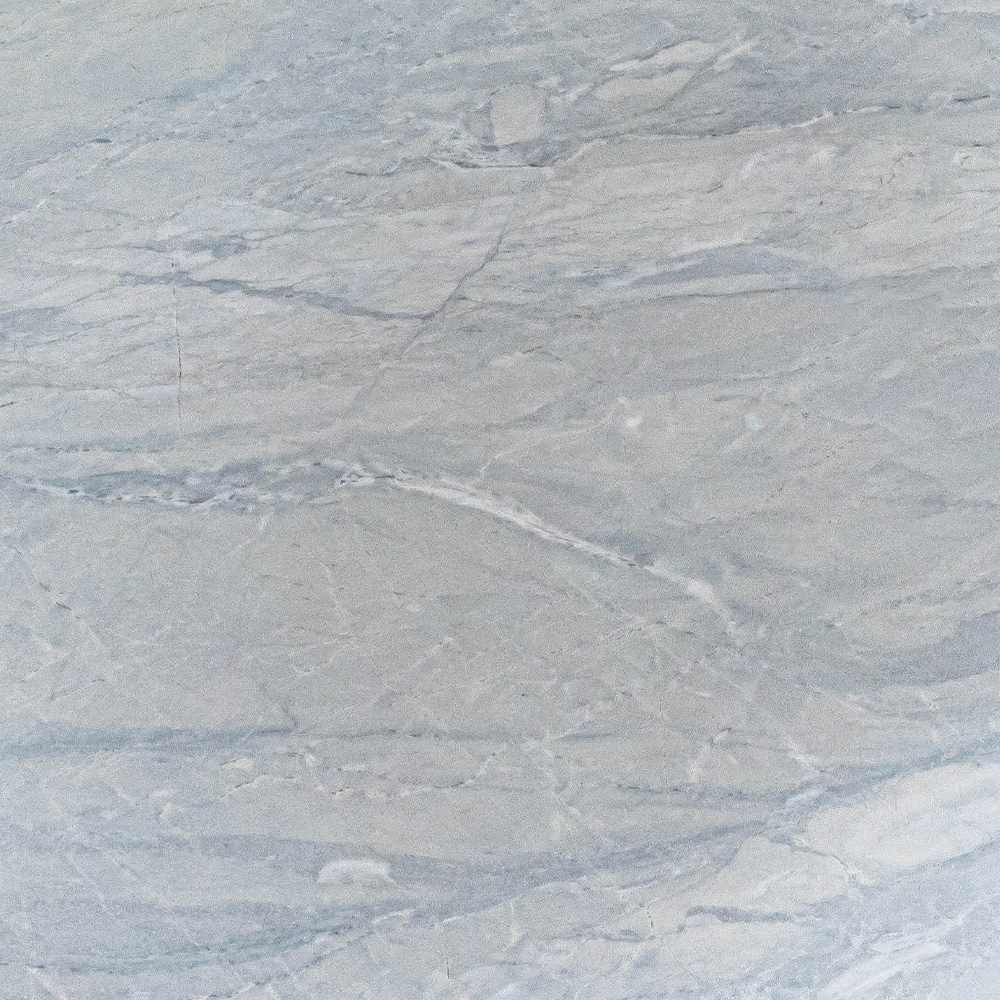
- A sedimentary carbonate rock, closely related to limestone and marble.
- Known for its subtle veining and softer colour palette, often in whites and greys.
- Harder than typical marble but softer than granite or quartzite.
- Applications: benchtops, wall cladding, bathrooms. Requires sealing and care against acids.
Granite
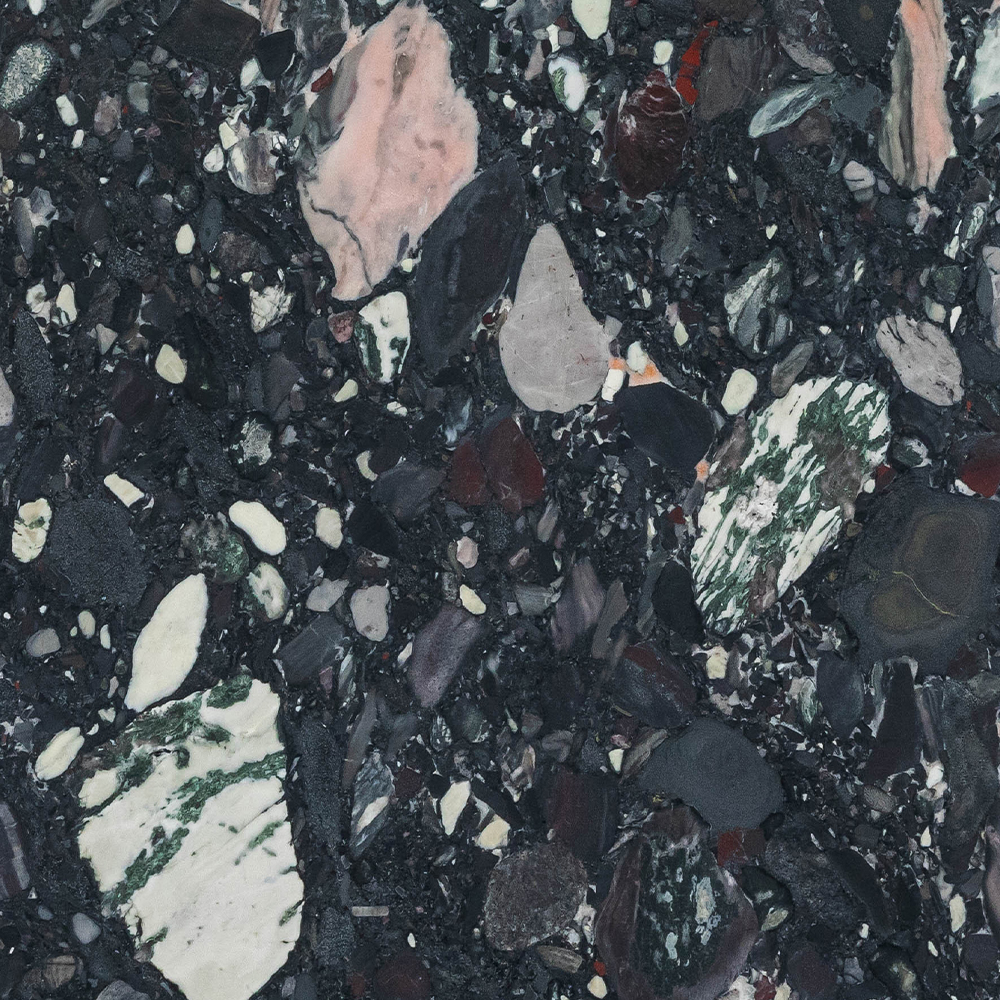
- An igneous rock, dense and highly durable.
- Resistant to heat, impact, and scratching.
- Colours range from light to dark with visible crystalline structure.
- Commonly used for benchtops, floors, and cladding in both residential and commercial projects.
Marble
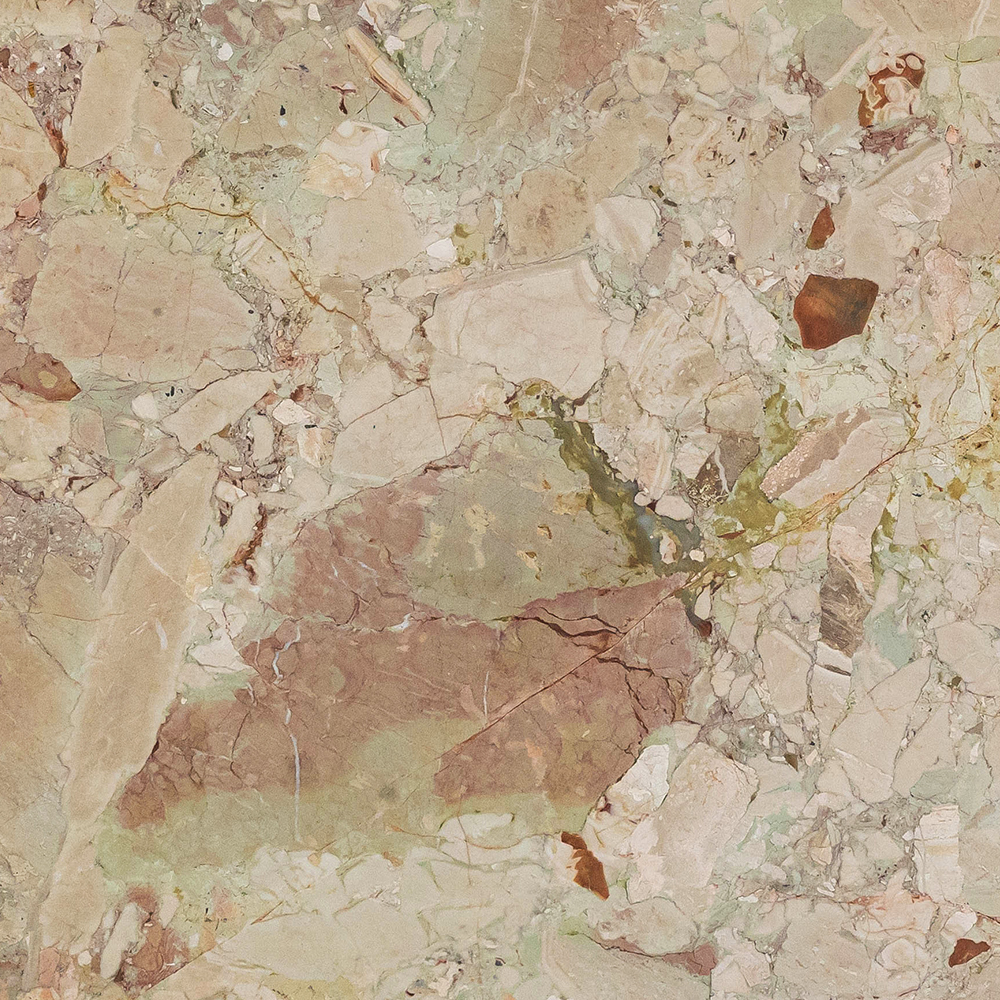
- A metamorphic stone recognised for its veining.
- Colours vary from white, pink, green, grey, and deep tones depending on mineral content.
- Suitable for floors, walls, vanities, and furniture pieces.
- Sensitive to acids and scratching; requires regular sealing.
Quartzite
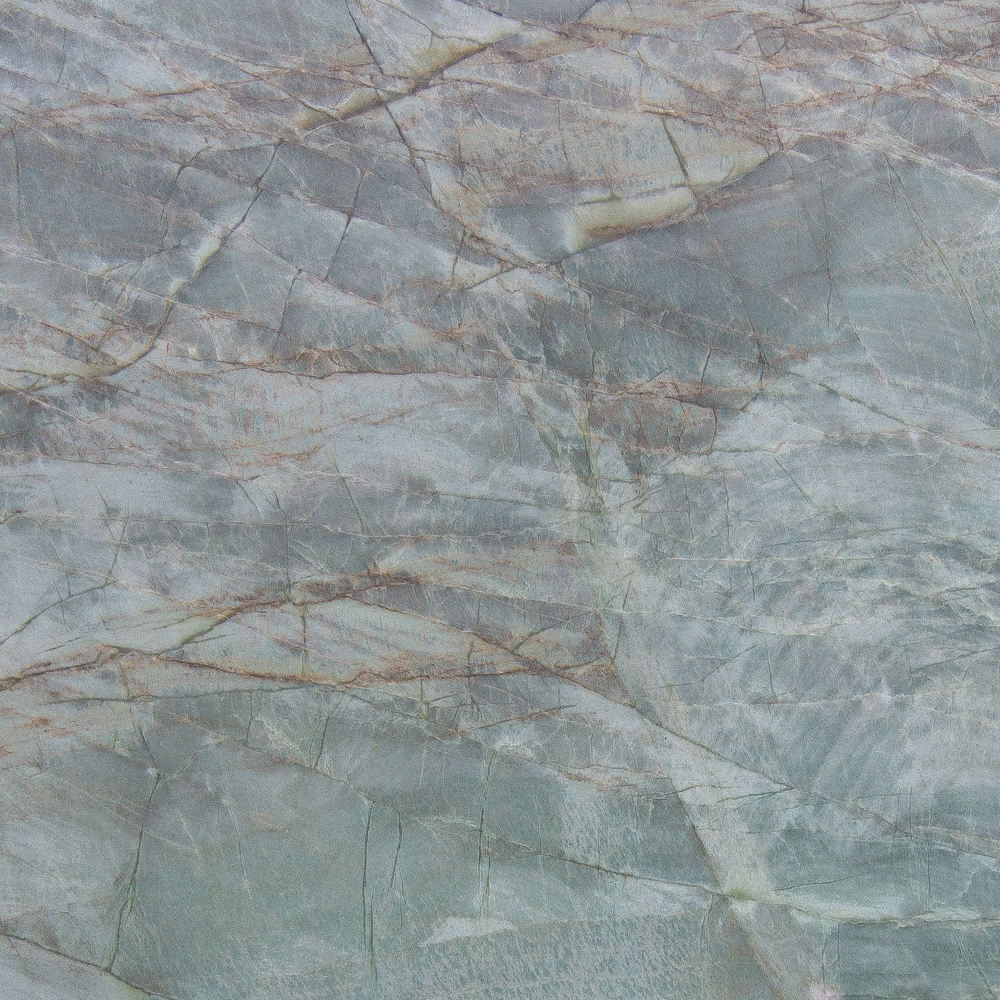
- A metamorphic stone formed from sandstone under intense heat and pressure.
- Extremely hard and durable, often harder than granite.
- Colours include whites, greys, and cooler tones depending on mineral impurities.
- Suitable for benchtops, floors, walls, and high-traffic areas.
Travertine
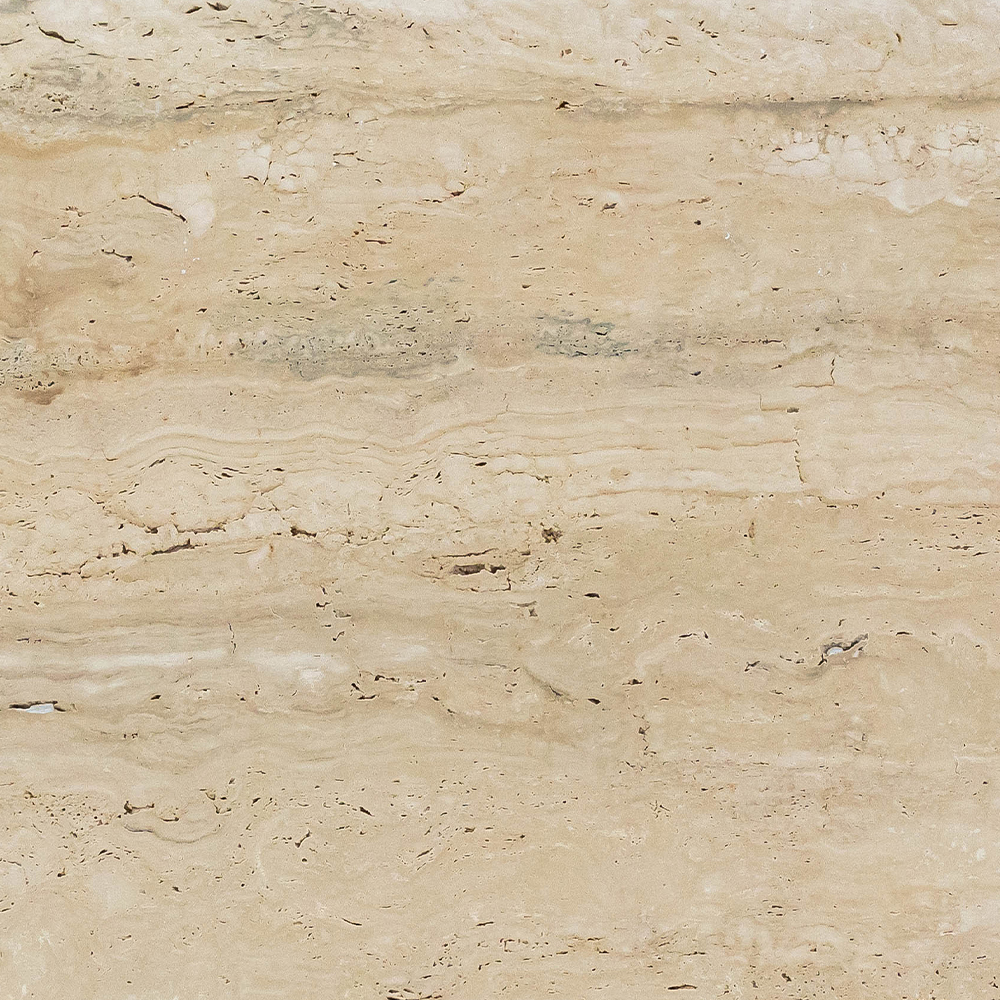
- A form of limestone with natural voids and veins.
- Colours are typically soft creams, beiges, and browns.
- Finishes include honed, brushed, tumbled, and filled or unfilled pores.
- Used in flooring, pavers, bathrooms, and feature walls. Requires sealing due to porosity.
DISCLAIMER All material on this website is published in good faith, however Skheme Pty Ltd does not warrant or represent the origin, validity, accuracy, completeness, timeliness, authenticity or reliability of, nor accept any responsibility for errors or omissions, in any material on this website or in any accompanying or other material, including advertisements, whether oral, visual, written, printed or electronic. Skheme Pty Ltd is not liable for any losses, claims, damages, demands, costs and expenses of whatsoever nature arising in any way, including those caused by negligence, out of or in connection with the use of this website, or any accompanying or subsequent information, or by reason of any reliance upon its contents by any person, company or organisation. All access to, and use of, the information is at the user’s risk. All technical details, recommendations and other information contained on this website represent the best of our knowledge and experience at the time of publishment. It is your responsibility to ensure that our products are used and handled correctly and in accordance with any applicable Australian Standard, our instructions and recommendations and only for the uses they are intended. Country specific recommendations, depending on local standards, codes of practice, building regulations or industry guidelines, may affect specific installation recommendations. The supply of our products & services is also subject to certain terms, warranties and exclusions, which may have already been disclosed to you in prior dealings or are otherwise available to you on request. Skheme reserves the right to alter, amend, vary or otherwise change any information on this website at any time and without prior notice to you to reflect our ongoing research and development program. The provision of any URL or link is done for the convenience of users of this website. It does not constitute an endorsement by the Skheme of that URL or link or the information at that Internet site. Potential customers should speak to a Skheme consultant regarding the qualities, colours and textures of all Skheme products before purchase.